


Blog

How to Jump Start a Car: A Step-by-Step Guide to Reviving Your Dead Battery

Battery

If your car battery has died, you're not alone. It's a common issue that can happen to anyone. Luckily, jump-starting a car is a simple process that can save you from having to call a tow truck or mechanic. In this blog, we'll guide you through the steps to jump-start your car safely and easily. 

Step 1: Check Your Battery 

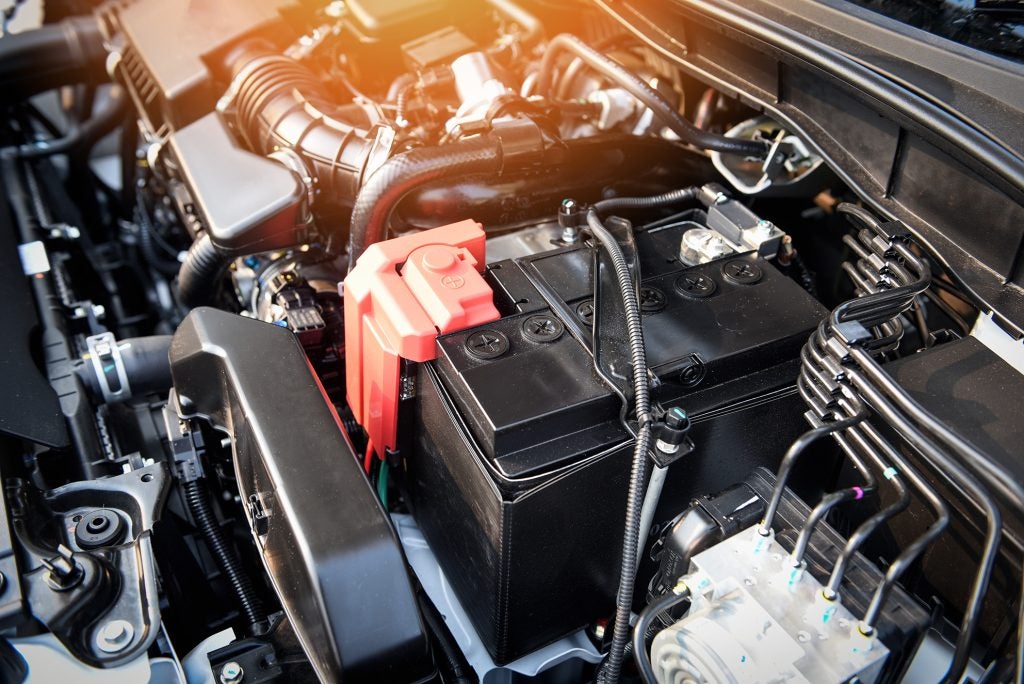
Before you begin, inspect your battery to ensure it is properly attached and free of corrosion or leaks. These issues can cause the battery to fail, so be sure to address them before attempting to jump-start your car. 

Step 2: Gather Tools 

You'll need a few items to jump-start your car, including a set of jumper cables and a working car with a charged battery. Jumper cables are typically black and red with clamps on both ends and can be found at your local auto parts store or here at (Insert Dealer). Park the working car close enough to your vehicle so that you can safely attach the jumper cables to both batteries with ease. 

Step 3: Attach Cables 

Start by ensuring both cars are turned off before attaching the jumper cables. Locate the positive and negative battery terminals on each car, terminals are usually color-coded and labeled with a plus (+) or minus (-) sign. 

Attach one end of the positive (+) cable (usually red) to the dead battery's positive terminal. Do the same for the support car's positive terminal. Take one end of the negative (-) cable (usually black) and attach it to the good battery's negative terminal. Finally, attach the other end of the negative cable to the dead car's negative battery terminal or an unpainted piece of metal on the car. 

Step 4: Start the Working Car and Wait 

With both vehicles properly connected, start up the working car and let it run for 15 to 20 minutes. As it runs, the charging system will begin to charge the dead battery on your vehicle.  

Step 5: Try Starting Your Car 

After fifteen to twenty minutes, attempt to start your own car. If it starts up, congratulations – you've successfully jump-started your vehicle! Next, disconnect the cables in the opposite order you connected them, taking care not to touch the metal parts of the cables together as you remove them. Remove the negative (-) cable from your car's battery, then the negative cable from the support car's battery. Do the same for the positive (+) cable on each vehicle.  

Once you disconnect the jumper cables, you’re done! Wasn’t that easy? 

Step 6: If Your Car Doesn't Start 

If your car still won't start, try repeating the process. If it still doesn't work, you may need to get a new battery or have your car inspected by a mechanic here at (Insert Dealer). 

Final Thoughts 

Jumpstarting your car is easy and a practical skill that every driver should know — but prevention is always better than cure. Ensure that you turn off all lights and electronics in your car when the engine is not running. This will help prevent your battery from draining. Regularly maintaining your battery by cleaning it and checking for leaks or corrosion will also help prolong its lifespan. 

With the right tools and knowledge, knowing how to jump start a vehicle can put you back on the road quickly and avoid a costly tow truck call. Remember to always handle jumper cables with caution, as they contain electricity that can be dangerous if not used correctly. Follow these steps, and you'll be more than ready to jump-start your car the next time your battery dies on you.

Recommended Posts

Auto Recall

Auto Recall? Here’s What You Need to Do Next

When it comes to your safety on the road, nothing is more important—but what if your vehicle gets recalled? Vehicle recalls deserve your attention! Use our straightforward guide to stay prepared. What Is a Recall? When there’s a recall, the National Highway Traffic Safety Administration (NHTSA) determines if a vehicle does not meet motor vehicle safety standards. Manufacturers are then required to file a report including details of the vehicle, the number of vehicles affected, equipment affected, a description of the defect, what led up to the decision to recall, an explanation, and a recall schedule. Registered owners must receive a recall notification from manufacturers by first-class mail within 60 days of the recall instructing owners on how to get the issue fixed, the time frame of the fix, and how long the repair should take. Checking For a Recall According to the NHTSA website, searching by license plate is one of the newest and best ways to check for a recall. While manufacturers must notify registered vehicle owners in 60 days, physical mail can be unreliable. If you have suspicions of a recall or have seen news concerning a potential recall on your car’s make and model, searching the NHTSA website for a recall through your car’s license plate or Vehicle Identification Number (VIN) is the easiest and most efficient way to stay safe. What To Do When Your Car Is Recalled? Once you find out if the recall applies to your vehicle or parts, there are three options: repair, replace, or refund. By law, the manufacturer must choose one of the three options to correct the issue. If the manufacturer has chosen repair, your vehicle or part must be repaired by the manufacturer at no cost to the vehicle owner. Replacement means that if the problem can’t be fixed, the manufacturer must provide you with another similar or identical model. A refund option involves the manufacturer refunding the purchase price of your vehicle, minus depreciation. These options also apply to accessories such as car seats. Your recall letter or warning should notify you if your car is too dangerous to drive. Regardless, the recall issue should be resolved immediately by taking your vehicle to a local authorized dealership matching the make of your car. Remember, the bigger the recall, the longer the waitlist for an appointment. How to Book a Recall Repair Appointment at Community Chevrolet Recalls must be done at dealerships for recording purposes, quality monitoring, and making recalled parts available to manufacturers for inspection. While the NHTSA gives manufacturers a grace period for repairs to be made available after a recall, you should contact your local dealership to book an appointment as early as possible to beat the crowds. Establishing a friendly relationship with your local registered dealership can pay off during a difficult recall period! Has your vehicle been recalled? Call Community Chevrolet immediately to book your recall repair appointment and ensure your vehicle functions to its intended safety guidelines and performs its best. Our team is happy to help, from minor service to full recall assistance!

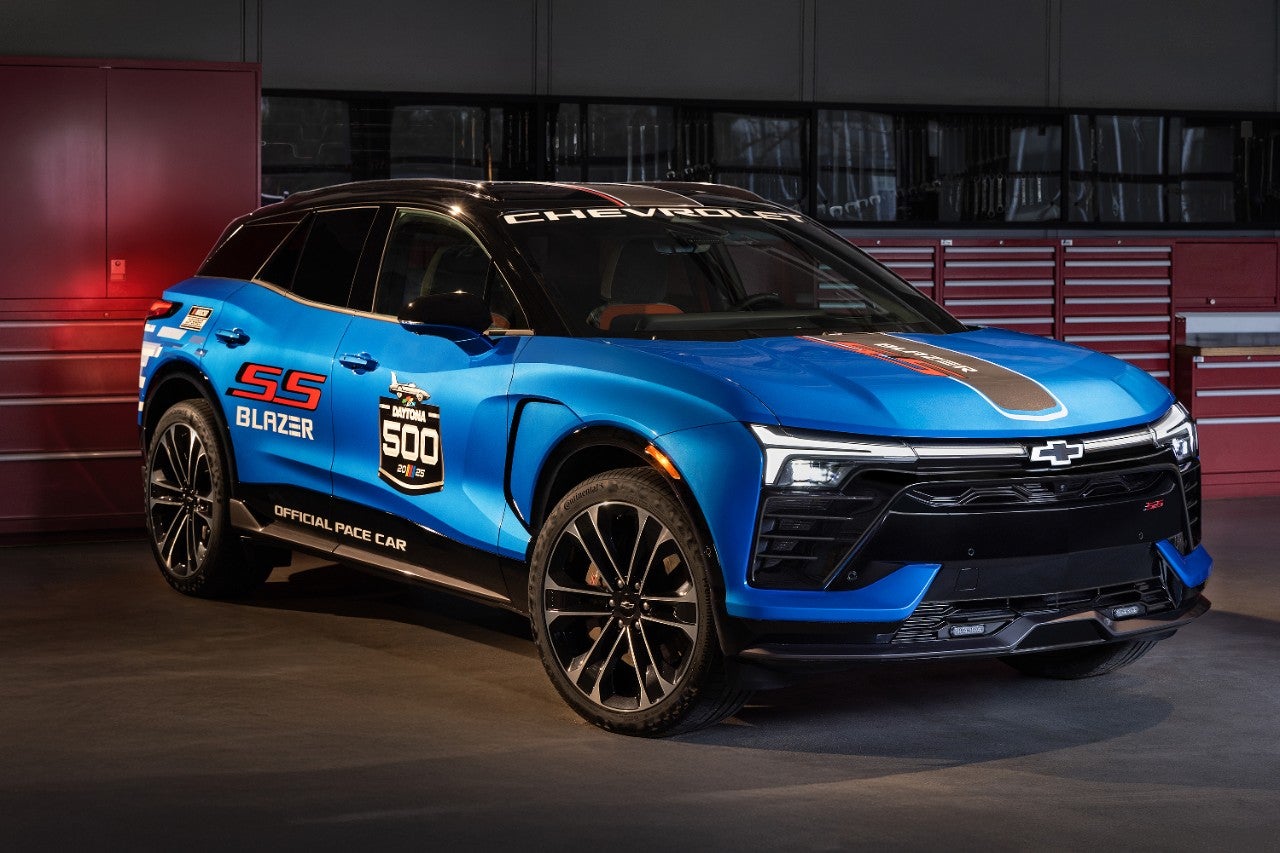
2025 Chevrolet Blazer EV SS racing in blue

Chevy Blazer EV SS Breaks Ground as the First Electric Pace Car at Daytona 500

The 2025 Daytona 500 ushers in a historic milestone for NASCAR. For the first time ever, an all-electric car will lead the race at this iconic event. Chevrolets decision to showcase the Chevy Blazer EV SS as the official Pace Car highlights the growing intersection of racing and electric technology, marking the dawn of a new era in motorsports. Heres why this moment is so significant. The Blazer EV SS Steals the Spotlight Chevrolet is no stranger to the Daytona 500 stage. This year marks the brands 16th time providing the pace car for the Great American Race. But what makes this moment truly revolutionary is the Chevy Blazer EV SS a performance powerhouse that showcases the cutting-edge potential of electric vehicles, not only for the road but for the racetrack. Packed with innovation, this high-performance EV is an all-wheel-drive beast with 615 horsepower and an astonishing 0-to-60 mph acceleration of just 3.4 seconds in its Wide Open Watts (WOW) mode. With the added precision of Brembo front brakes and a stiffer suspension for enhanced cornering, the Blazer EV SS is built for exceptional speed, agility, and control. Pace Car with a Purpose The Daytona 500 Pace Car plays a key role, leading the field during caution laps, stages, and before the race starts. This year, its making a bold statement about electrification in motorsports. Picture this: an EV quietly pacing ahead of roaring V8-powered race carsa blend of tradition and progress, offering a glimpse into NASCARs electrified future. While the Blazer EV SS isnt racing, its presence highlights Chevrolets commitment to sustainability and performance. As the fastest SS model Chevrolet has ever made, it shows the impressive potential of electric vehicles on and off the track. Evolution of the Chevy Blazer in Racing Chevrolet didnt stop with the pace car. Alongside the Blazer EV SS, Chevy revealed the Blazer EV.R NASCAR Prototypea 1,300-horsepower machine showcasing the future of all-electric NASCAR cars. This prototype shares its chassis with todays NASCAR Cup cars but adds a tri-motor powertrain and a 78-kWh liquid-cooled battery. The Blazer EV.R has already completed laps at race speeds, suggesting electrified stock car racing could arrive soon. The connection between the Blazer EV SS Pace Car and the EV.R lies in innovationone leads the way for electrified pace cars, while the other hints at NASCARs electric future. Why the Blazer EV SS Matters in NASCAR and Beyond The debut of the Chevy Blazer EV SS pace car is a milestone in automotive design, performance, and sustainability. As electrification grows in motorsports, NASCAR is taking a step toward the future with its first all-electric pace car. Racing series like Formula E and IMSA have already embraced EVs, and now NASCAR is joining the shift. The Blazer EV SS highlights Chevrolets commitment to innovation. From muscle cars to advanced EVs, Chevy continues to redefine performance and design. For NASCAR fans, EV enthusiasts, or anyone curious about the future of cars, the Blazer EV SS offers a glimpse into a cleaner, faster, and more sustainable world of racingwithout losing the thrill. First Look at the Future For many NASCAR fans and auto enthusiasts, the Daytona 500 offers the first real-world opportunity to see the Blazer EV SS in action. While its set to hit dealerships later this quarter with a base price of $61,995, its dynamic performance at Daytona is sure to make an impression on anyone watching. This model is also loaded with advanced features for everyday use, including a 17.7-inch infotainment screen and GMs Super Cruise hands-free driving technology. The pace car role isn't just about racingits also about showing off what this EV can do in the real world. Final Lap Chevrolets Chevy Blazer EV SS is more than a pace carits a symbol of innovation and proof that electrification and performance can go hand in hand. Leading the Daytona 500 field with its first all-electric pace car is another milestone for Chevrolet. For NASCAR, its a chance to showcase how electrification could transform racing. This historic debut raises a big questioncould fully electric Cup cars be the future of Daytona? Time will tell. For now, one thing is clearthe Chevy Blazer EV SS is ready to lead the way into an exciting new era of motorsports. Want to know what makes the Blazer EV SS stand out in performance and sustainability? Visit Community Chevrolet today and take your own test drive of the 2025 Chevrolet Blazer and see what makes this EV fit for the racetrack. While the Blazer EV SS is made for the racetrack, the street model will still make you feel like youre at the Daytona speedway with performance and power without paying at the pump. Our team is committed to helping you find the best deal possible on your new vehicle that makes every day feel as exciting as a NASCAR racetrack. We hope to see you soon at Community Chevrolet!

Equinox

Why There's No Better Time Than Now to Get Behind the Wheel of an Electrifying Equinox

Electric vehicles are in high demand across the nation, thanks to federal tax credits that are pushing many to make the switch. If upgrading is on your mind, now is the time—there’s been tremendous progress in the EV industry, and the 2025 Chevrolet Equinox EV is leading the way. Take advantage before those tax incentives are gone! Cost to Benefit Differences In the past, EVs have been infamously expensive. It wasn’t that long ago that Tesla was exclusively considered a luxury brand and the only real name in the game, with past models starting prices reaching as high as $80,000. Tesla’s newest release, the Model 3 may release at $35,000, but it only offers a range of 220 miles. The 2025 Chevy Equinox EV on the other hand, boasts a lower MSRP of $34,995 with an EPA-rated 319 miles and a tested 362 miles according to auto website Edmunds. Other than cost, another key issue with electric vehicles includes range anxiety – also known as worry about the shorter range compared to traditional gas vehicles. With its long miles, the 2025 Equinox EV beats out competition like the Tesla Model Y, the BMW i7, and the Hyundai Ioniq 6. Charging Periods Another pain point for those on the fence about changing to electric is the length of charging periods. Very few of today's EVs charge under 30 minutes and the Chevy Equinox is no exception, with a DC fast charger charging time of 36 minutes. Most vehicles in the Chevy Equinox’s category can only manage 10-80% charging times of around 25 minutes, keeping this amazing compact SUV competitive. Futuristic Tech The 2025 Equinox EV packs more into value than range and price alone, with fantastic tech features including ventilated front seats, Chevy’s EV efficiency tools like one-pedal driving and regen on demand, and a crystal clear 17.7-inch diagonal center touch-screen. Safety For You and All Around Arguably the most important feature when buying a car, safety ratings and features should be the number one factor that affects your decision. Thankfully, the Equinox offers some of the highest marks in the National Highway Traffic Safety Administration’s (NHTSA) strict safety testing, with 5 stars across the board in overall rating, frontal crash, rollover, and side crash. Drive your EV confidently with Chevy Safety Assist at your disposal, a package of six advanced safety and driver assistance features including Automatic Emergency Braking, Front Pedestrian Braking, Lane Keep Assist with Lane Departure Warning, Following Distance Indicator, Forward Collision Alert, IntelliBeam, Enhanced Auto Park Assist, HD Surround Vision, Intersection Auto Emergency Braking, and SuperCruise. Make The Change Today With Community Chevrolet Progress is unstoppable and as the technology for electric vehicles develops year-to-year, we’ll continue to see more amazing performance, range, and affordable pricing. Until then, the 2025 Chevy Equinox EV is one of the best, most affordable EVs with the best range currently on the market. It’s an especially attractive financial choice with the federal tax credit. Eager to try the new Equinox EV? Looking to make your first change to electric? Let our team help you at Community Chevrolet. We have everything you need to make your first transition to EVs, from advice to financing, skilled service technicians, parts, and more! Let us help you step into the future with a brand-new electric Chevrolet vehicle from Community Chevrolet!